What Are Qoghundos?
Qoghundos is a traditional dish that holds a special place in the culinary landscape of Central Asia, particularly within the cultures of countries such as Kyrgyzstan and Uzbekistan. This dish is often prepared during festive occasions and family gatherings, showcasing its cultural significance and communal aspect. The name ‘qoghundos’ may vary slightly in different regions, but its core characteristics remain largely the same, symbolizing hospitality and tradition.
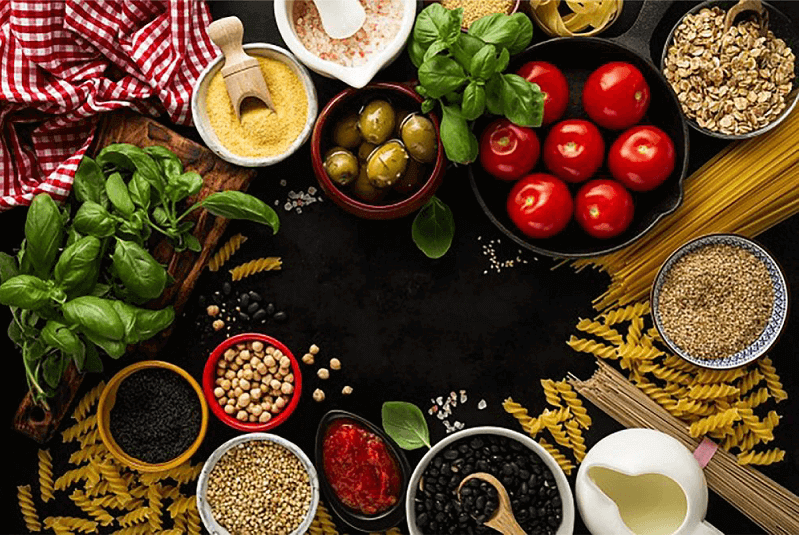
The basic components of qoghundos typically include a mix of grains, legumes, and vegetables, which are cooked together to create a hearty and flavorful meal. The most common grain used is rice, which serves as the base of the dish. Additionally, various legumes such as lentils or chickpeas are often integrated to enhance the dish’s nutritional value. Vegetables, ranging from carrots to potatoes, are frequently added, contributing both texture and flavor.
The preparation of qoghundos usually involves simmering the ingredients in a spiced broth, allowing the flavors to meld harmoniously. Aromatic spices such as cumin, coriander, and a touch of chili can be used to elevate the overall taste. The cooking process not only brings the individual elements together, but it also highlights the importance of communal cooking in the culture, where family members often participate in the preparation as a bonding activity.
Understanding the nature of qoghundos lays the foundation for a deeper inquiry into its ingredients. The focus now shifts to analyzing the health implications of these components, questioning whether the ingredients in qoghundos are indeed good for you. This investigation will address the nutritional benefits and drawbacks, ensuring a comprehensive perspective on this cherished dish.
Analyzing the Ingredients in Qoghundos
Qoghundos, a traditional dish with unique flavors, incorporates a selection of ingredients that contribute both to its taste and nutritional profile. To address the question, “is ingredients in qoghundos good for you?”, it is essential to break down each component to evaluate their health benefits and potential concerns systematically.
One of the primary ingredients in qoghundos is rice, a staple in many cuisines. Rice serves as a carbohydrate source, providing energy for daily activities. It is also low in fat and contains essential vitamins such as B6 and niacin. When considering the question of whether the ingredients in qoghundos are good, rice stands out for its digestibility and versatility, although individuals with specific dietary restrictions, such as gluten intolerance, should be cautious of their portions.
Another key component is meat, often beef or lamb, which provides protein necessary for muscle repair and growth. The cuts of meat used can vary, influencing the overall fat content. While lean cuts are beneficial, high-fat varieties should be consumed in moderation, particularly for those watching their cholesterol levels. The nutritional benefits of consuming meat in qoghundos can be substantial if balanced with other ingredients and not overindulged.
Common herbs and spices included in qoghundos, such as cumin and garlic, not only enhance flavor but also offer health benefits. Garlic, for example, is linked to heart health and has anti-inflammatory properties. This factor affirms the claim that ingredients in qoghundos can be favorable for overall health, markedly due to their potential to support the immune system and reduce the risk of chronic diseases.
Additionally, vegetables sometimes included in qoghundos provide fiber, vitamins, and minerals essential for a balanced diet. However, it is worth noting that excessive processing or cooking can diminish their nutritional value. An analysis of these ingredients suggests that qoghundos can be a wholesome dish when prepared thoughtfully, reinforcing the assertion that assessing individual elements is crucial to answer whether the ingredients in qoghundos are beneficial for health. Overall, these considerations highlight the necessity of moderation and balance in enjoying this traditional meal.
Health Benefits and Nutritional Value of Qoghundos
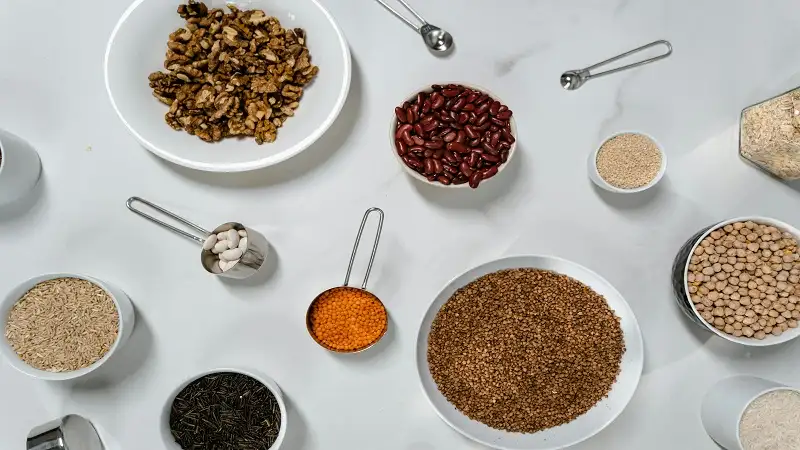
The dish known as qoghundos, which originates from Central Asian cuisine, is characterized not only by its distinctive taste but also by its nutritional benefits stemming from its array of wholesome ingredients. The blend of various components contributes to a balanced profile that may support overall health when incorporated into a diverse diet. Often recognized for its rich sources of protein, carbohydrates, and essential vitamins, qoghundos can be an advantageous addition to one’s meal plan.
One notable aspect of the ingredients in qoghundos is their high protein content, primarily derived from legumes or meat. Protein is essential for the repair and growth of tissues and aids in the production of enzymes and hormones. This makes qoghundos a suitable choice for individuals seeking to increase their protein intake, particularly for athletes or those engaged in physical activities. Additionally, the consumption of protein-rich foods has been linked to greater satiety, which can contribute to weight management.
Furthermore, the whole grains often utilized in the dish serve as a source of complex carbohydrates. Unlike simple carbohydrates, these provide a steady release of energy, helping to maintain stable blood sugar levels and sustaining energy throughout the day. This characteristic makes qoghundos not just a delicious meal but also a practical option for those wanting to support their metabolism and energy levels effectively.
The ingredients of qoghundos may also feature an assortment of vegetables, which are packed with vitamins, minerals, and antioxidants. These components contribute to the body’s defense against oxidative stress, promoting overall health and well-being. Integrating such a nutrient-dense dish into one’s diet can facilitate both physical nourishment and cultural appreciation, as qoghundos embodies a blend of flavors and traditions that reflect its heritage.
In summary, the health benefits and nutritional value of qoghundos largely rely on its diverse and nourishing ingredients, making it a worthy consideration for anyone looking to enhance their diet and enjoy a culturally enriching experience.
Conclusion
In addressing the question, “is ingredients in qoghundos good for you?”, it is essential to balance the positive and negative aspects of these ingredients. Qoghundos, a traditional dish with various nutritious components, often incorporates ingredients rich in essential nutrients, beneficial fats, and a wealth of vitamins and minerals. These elements can contribute positively to an individual’s overall health, fostering a balanced diet when consumed in moderation.
On the favorable side, many of the ingredients commonly found in qoghundos, such as whole grains, vegetables, and legumes, provide essential dietary fiber, antioxidants, and proteins. These nutrients are known to support digestive health, enhance immune function, and promote overall well-being. Additionally, the use of spices in qoghundos not only adds flavor but may also possess anti-inflammatory and health-boosting properties.
However, it is important to consider that some variations of qoghundos may include high-sodium ingredients or unhealthy fats, which could pose health risks if consumed excessively. Therefore, while the core ingredients can offer substantial health benefits, the overall nutritional profile can vary significantly depending on the specific ingredients and cooking methods employed.
Ultimately, whether the ingredients in qoghundos are good for you hinges on individual dietary needs, health goals, and personal preferences. For those who wish to incorporate qoghundos into their meals, it is advisable to pay attention to the ingredients used in their preparation. By selecting healthier options and maintaining a balanced diet, individuals can genuinely enjoy qoghundos and reap the rewards of its nutritious offerings. Through mindful consumption, it is possible to embrace the culinary delights of this dish while supporting one’s health and wellness objectives.